Most policyholders assume their insurance will “just work” when they need it. In reality, many benefits go unused simply because people never verify what’s included. Coverage details are often buried in dense documents, and unless you proactively check, you may miss services that could significantly reduce your out-of-pocket costs. Understanding what your plan actually covers is one of the most practical ways to take control of your healthcare spending.
Most people don’t ignore their insurance coverage intentionally—they simply assume it will function as expected when the time comes. The reality is that health insurance policies are dense, highly specific documents filled with conditions, exclusions, and tiered benefits that aren’t always obvious at a glance. As a result, many policyholders default to familiar services or provider recommendations without ever confirming whether those choices are the most cost-effective or fully covered under their plan.
This tendency is reinforced by how insurance information is delivered. Plan summaries highlight the basics—deductibles, premiums, and primary care visits—but often gloss over the more nuanced categories where meaningful savings can be found. Benefits tied to specialized care, preventive programs, or non-traditional services are frequently buried in deeper sections of policy documents, making them easy to overlook unless you’re actively searching for them.
There’s also a timing issue. Coverage verification usually happens under pressure—when someone is sick, injured, or managing a new diagnosis. In those moments, the priority is getting care quickly, not analyzing policy language or comparing in-network options. That urgency can lead to higher costs, denied claims, or missed opportunities to use services that are already included in the plan.
Another factor is the widespread misconception that certain services are “probably not covered.” This assumption causes people to skip verification altogether, especially for areas like long-term care, specialized equipment, or emerging treatments. In many cases, coverage does exist—but only under specific conditions, such as physician referrals, pre-authorization, or documented medical necessity.
Taking a proactive approach to understanding your benefits changes the equation. By reviewing your policy in advance and identifying underutilized categories, you can make more informed decisions about where and how to seek care. That preparation not only reduces financial surprises but also ensures you’re getting the full value from the coverage you’re already paying for.
Why Most People Leave Insurance Benefits on the Table

There’s a consistent gap between what insurance plans offer and what policyholders actually use. Insurers design plans with a wide range of covered services, but many of these benefits remain untouched. This disconnect often stems from a lack of awareness rather than a lack of need.
Insurance literacy plays a major role in determining how much you ultimately pay. When people don’t fully understand deductibles, co-pays, or coverage tiers, they’re more likely to make decisions that increase their expenses. Even something as simple as choosing an out-of-network provider can dramatically raise costs.
Another common issue is the habit of assuming rather than verifying. Many individuals rely on outdated information or general expectations instead of checking their current policy. Benefits can change annually, and failing to confirm details can lead to missed opportunities or unexpected bills.
Urgent and After-Hours Care Options You May Be Covered For
Choosing the right level of care during a medical issue can significantly impact both your health and your finances. While the emergency room is essential for life-threatening conditions, many plans also cover urgent care centers at a lower cost for non-critical issues.
Understanding the distinction between urgent care and hospital visits helps prevent unnecessary expenses. Urgent care facilities are typically more affordable and faster for minor injuries or illnesses, while hospital services are reserved for more severe cases. Knowing when to use each option can make a measurable difference.
Surprise billing protections have improved in recent years, but they don’t eliminate all risks. Even with safeguards in place, out-of-network charges can still occur in certain scenarios. Reviewing your plan’s protections ahead of time helps you avoid confusion during high-stress situations.
The best time to verify your in-network options is before a crisis happens. Keep a list of nearby approved providers and confirm coverage details in advance. This preparation ensures you can act quickly without worrying about unexpected costs.
Long-Term and Residential Care Benefits Hiding in Your Policy
Long-term care coverage is one of the most overlooked areas in insurance policies. Many people assume they’ll pay out of pocket for extended care, but some plans include partial benefits for services like adult assisted living.
It’s important to understand the difference between skilled nursing care and custodial care. Skilled care involves medical treatment administered by professionals, while custodial care focuses on daily living assistance. Insurance coverage often varies significantly between the two.
Reading the long-term care section of your policy can reveal benefits you didn’t realize you had. Some plans include provisions for in-home care, rehabilitation, or facility-based services. These benefits can substantially reduce the financial burden of extended care.
Family caregiver support is another area worth exploring. Certain policies provide resources such as training, respite care, or financial assistance for those caring for loved ones. These benefits can ease both emotional and financial strain during long-term care situations.
Medically Supervised Programs for Chronic Conditions
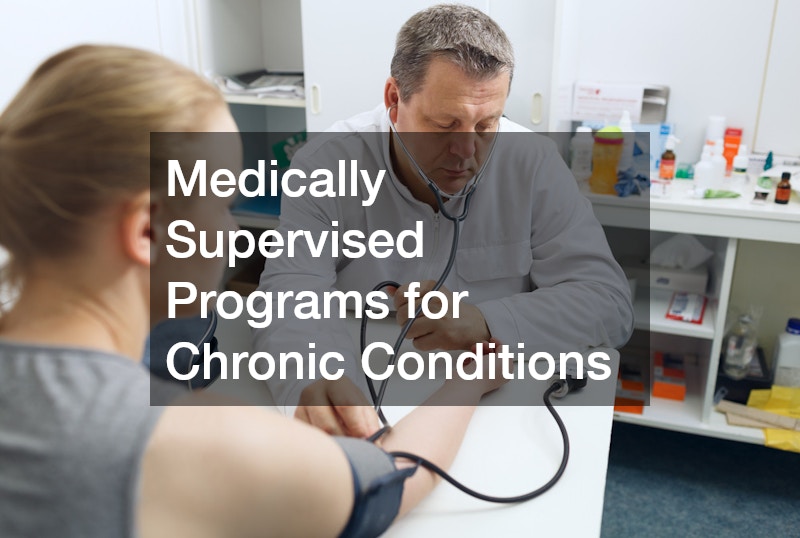
Chronic conditions often require structured, ongoing management. Many insurance plans cover medically supervised programs, including services offered through a weight loss clinic, when prescribed by a physician.
Nutrition counseling and lifestyle programs can be part of preventive care benefits. These services are designed to address underlying health issues before they escalate into more serious conditions. When covered, they can reduce long-term healthcare costs.
Behavioral health services are increasingly included in comprehensive plans. Coverage may extend to therapy, counseling, and structured intervention programs. These services play a critical role in managing both physical and mental health conditions.
A physician referral is often the key to unlocking these benefits. Without proper documentation, services may not qualify for coverage. Ensuring your provider submits the correct referral can make the difference between approval and denial.
Cutting-Edge Treatments and Experimental Therapy Clauses
Innovative treatments are advancing quickly, but insurance coverage doesn’t always keep pace. Procedures like stem cell therapy are often classified as investigational, which can limit or exclude coverage.
Insurers use strict criteria to determine whether a treatment is considered experimental. These classifications are based on clinical evidence, regulatory approval, and established standards of care. Understanding how your insurer defines these terms is essential.
If a claim is denied, the appeals process offers a path to reconsideration. Providing additional medical documentation or expert opinions can strengthen your case. While not all appeals succeed, many are approved when supported by strong evidence.
Before beginning any new therapy, ask detailed questions about coverage. Clarify whether pre-authorization is required and what documentation is needed. Taking these steps up front can prevent costly surprises later.
Diagnostic Imaging and the Importance of Pre-Authorization
Diagnostic imaging is another area where costs can vary widely. Advanced options like an open MRI may offer greater comfort, but they often require pre-authorization for coverage.
Standard imaging procedures are typically easier to approve, while specialized scans may involve additional review. Failing to obtain pre-authorization can result in denied claims, even if the procedure is medically necessary.
Pre-authorization acts as a checkpoint between your provider and insurer. It ensures that the recommended test meets coverage criteria before it’s performed. While it may feel like an extra step, it’s critical for cost control.
To minimize expenses, request imaging at facilities within your plan’s preferred network. Pricing can differ significantly between providers, even for the same procedure. Comparing options ahead of time can lead to substantial savings.
Adaptive and Supportive Equipment for Children

Families with children who have special needs often face unique challenges. Many insurance policies include coverage categories for adaptive equipment, such as beds for kids with special needs, but these benefits are frequently overlooked.
Documenting medical necessity is essential for approval. Insurers typically require detailed records from healthcare providers explaining why the equipment is needed. Without this documentation, claims are more likely to be denied.
Working with a case manager can simplify the process. Case managers act as intermediaries between families, providers, and insurers, helping to coordinate care and navigate complex benefits. Their involvement can improve approval rates and reduce delays.
Understanding the full scope of pediatric benefits ensures that families access all available support. From equipment to therapy services, these provisions can make a meaningful difference in quality of life.
Cosmetic vs. Medically Necessary Procedures — A Blurry Line
The distinction between cosmetic and medically necessary procedures is not always clear. Treatments like Botox are commonly associated with aesthetics, but they can also be used for medical conditions such as chronic migraines or muscle disorders.
Coverage depends heavily on how the procedure is coded and documented. Diagnosis codes must clearly demonstrate medical necessity. Without proper coding, insurers may classify the treatment as elective and deny the claim.
If a claim is denied, you have options. Request a detailed explanation from your insurer and work with your provider to submit additional documentation. Many denials are overturned when sufficient evidence is provided.
Understanding your plan’s criteria for medical necessity helps you navigate these gray areas more effectively. It also ensures you’re prepared to advocate for coverage when needed.
Orthopedic and Reconstructive Services After Injury
Injuries often require a combination of surgical and non-surgical treatments. Insurance plans typically cover a range of services related to bone repair, including surgery, imaging, and follow-up care.
Rehabilitation is a critical component of recovery. Physical therapy and related services are often included in coverage, but limits may apply. Knowing these limits helps you plan your treatment timeline more effectively.
Coordinating benefits becomes important if you have multiple insurance plans. Understanding which policy is primary and how claims are processed can prevent delays and reduce out-of-pocket costs.
Taking a proactive approach to coverage ensures you receive the full scope of care needed for recovery. From initial treatment to rehabilitation, each step should align with your policy’s benefits.
Home Modifications and Mobility Aids Under Durable Medical Equipment

Durable medical equipment (DME) coverage extends beyond traditional devices. Many policies include mobility aids and home modifications, such as a stair lift, when prescribed by a physician.
Qualification often depends on medical necessity and proper documentation. A physician’s prescription is typically required to demonstrate that the modification is essential for daily living. Without it, coverage is unlikely.
Some plans also provide benefits for the maintenance and replacement of approved items. This can include repairs or upgrades to ensure continued functionality. Understanding these provisions helps you manage long-term costs.
Coverage for medical equipment varies widely between plans. Reviewing your DME section in detail allows you to identify eligible items and avoid paying out of pocket unnecessarily.